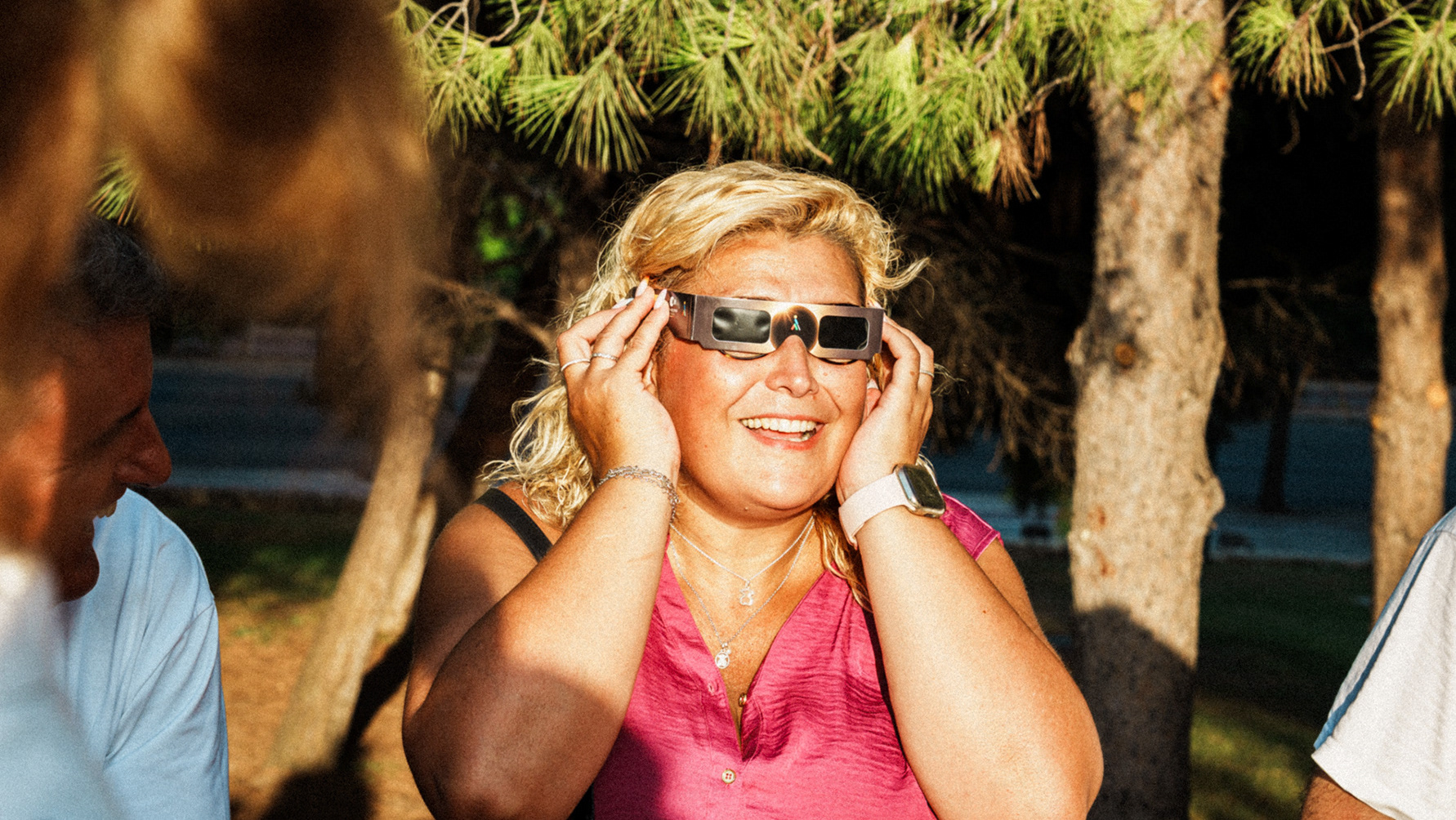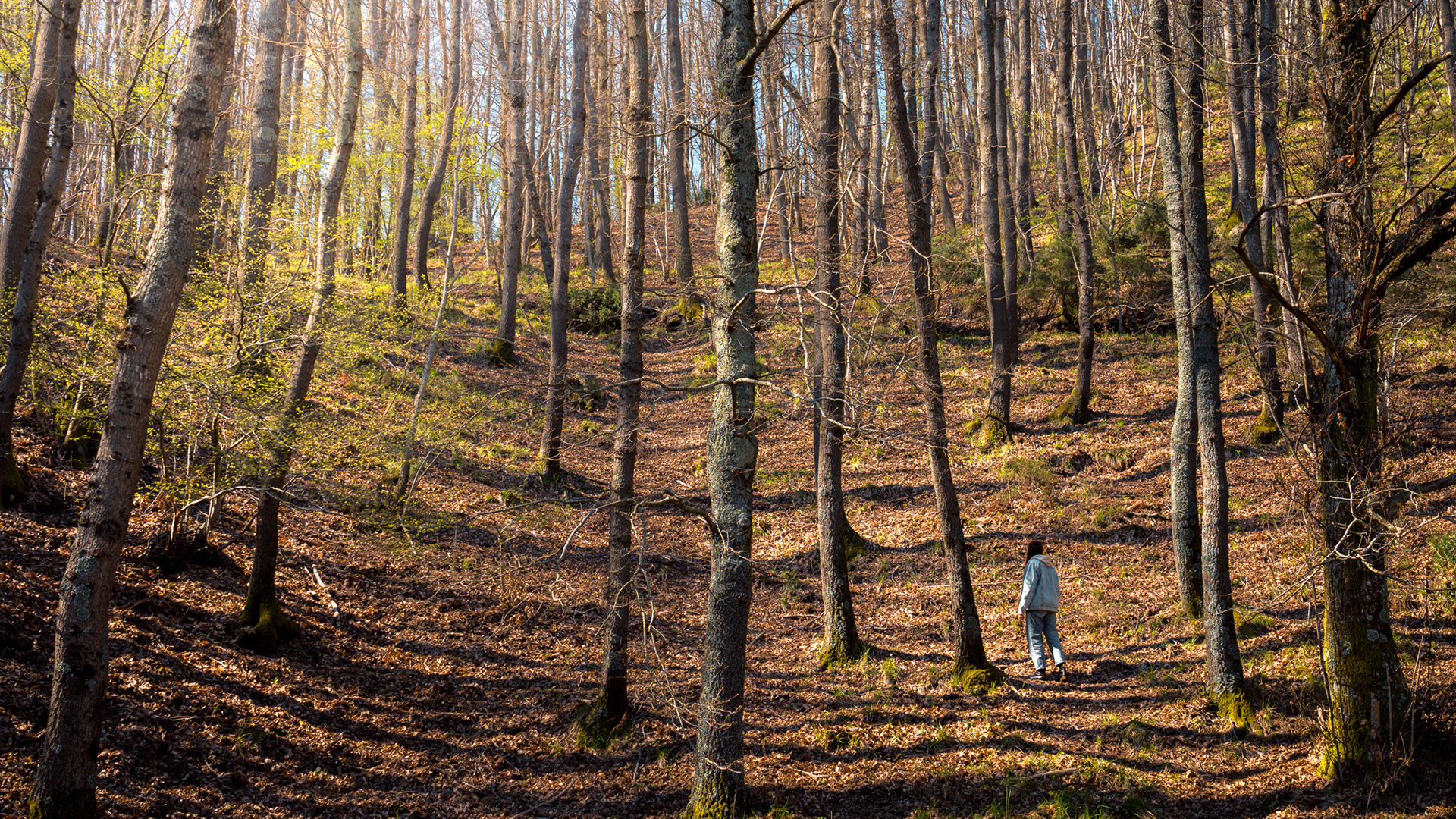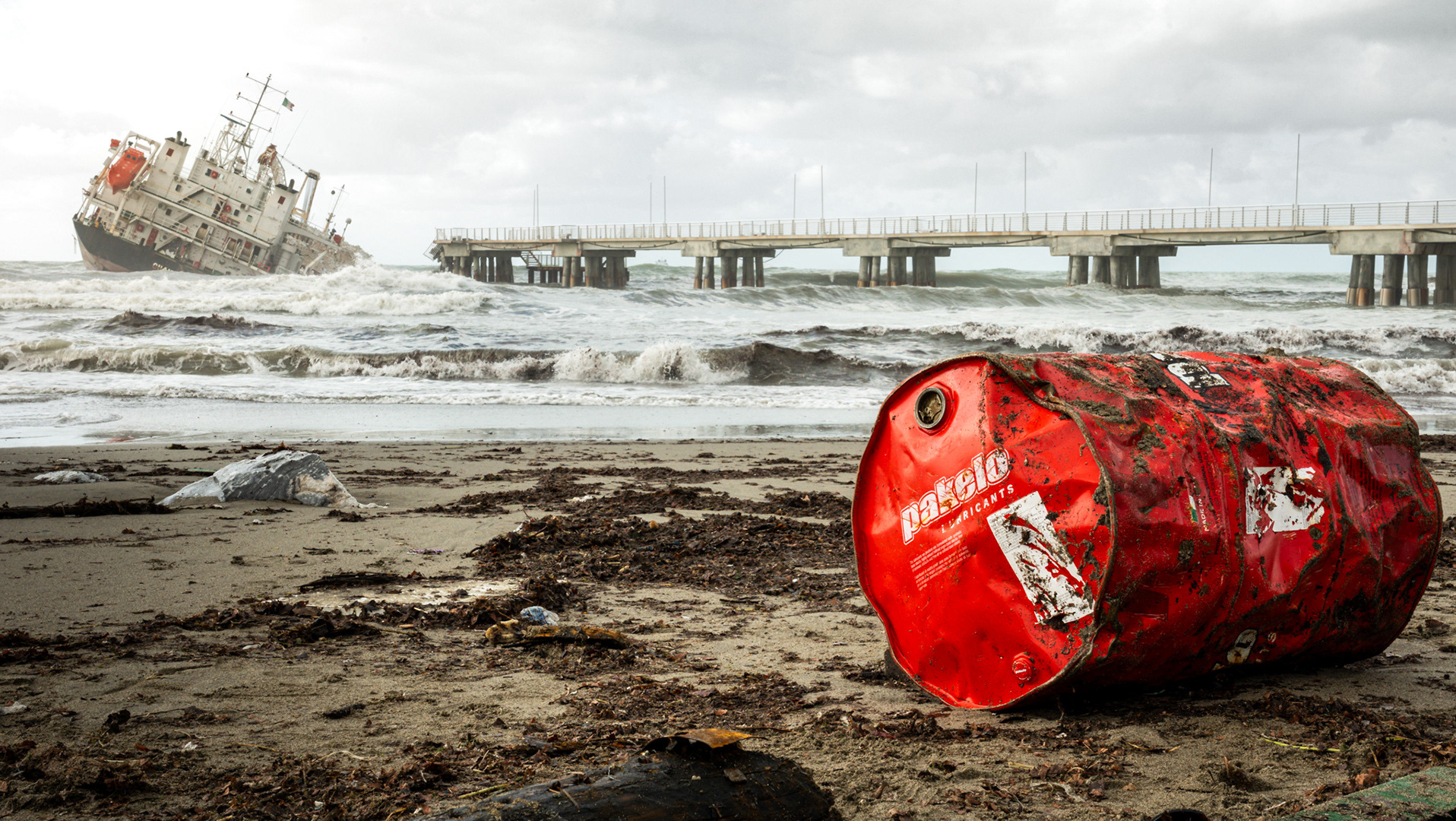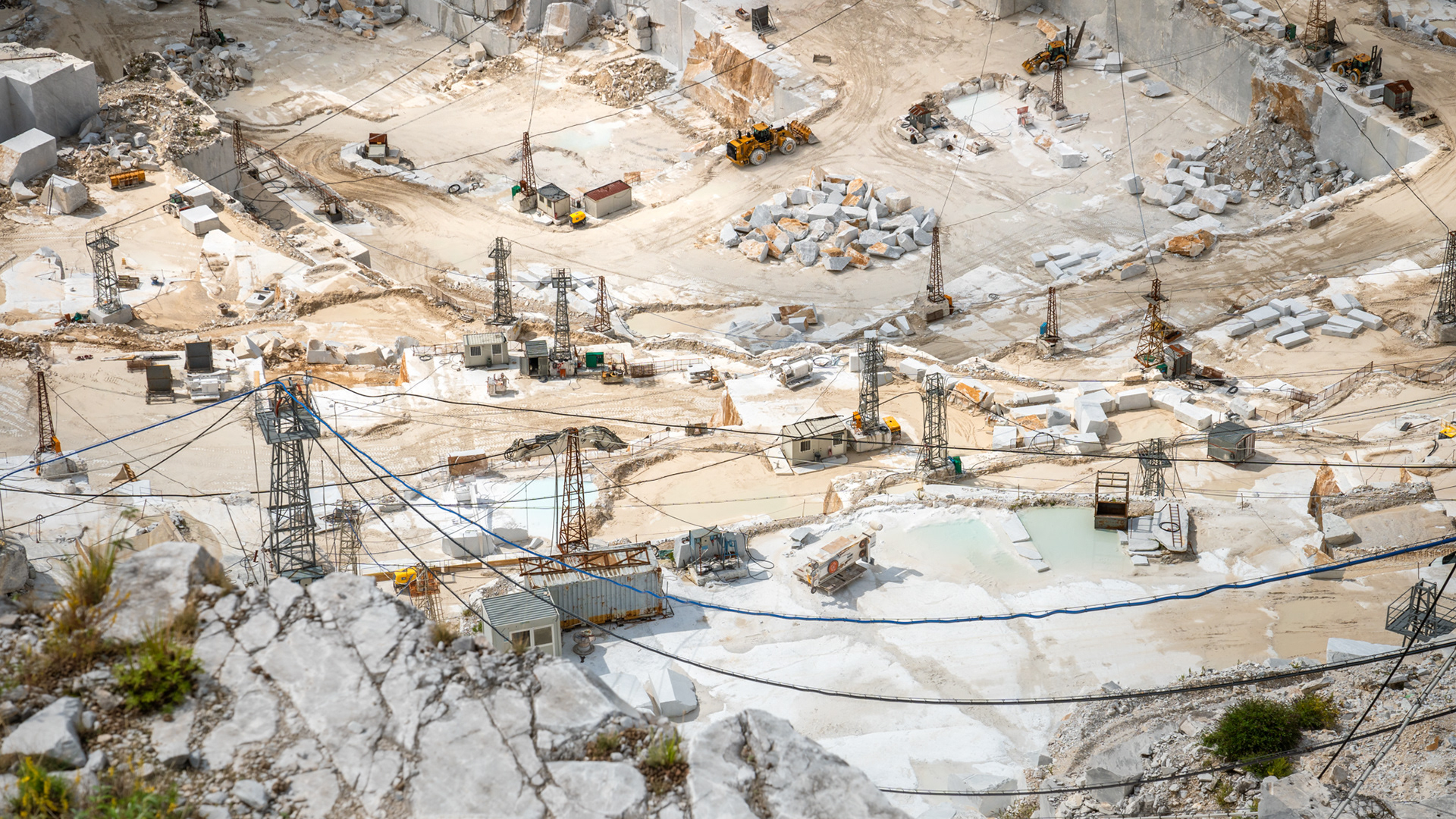
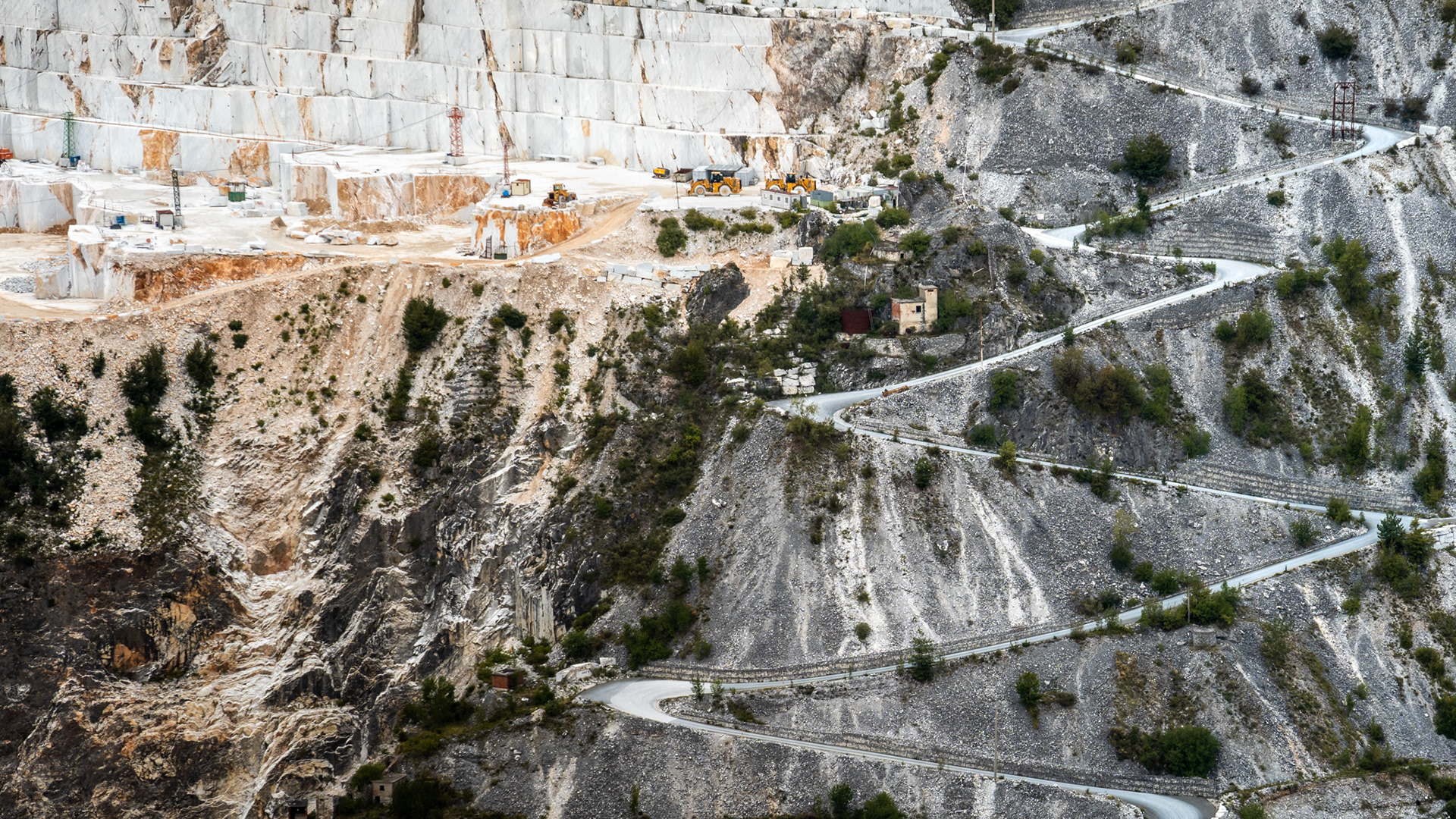
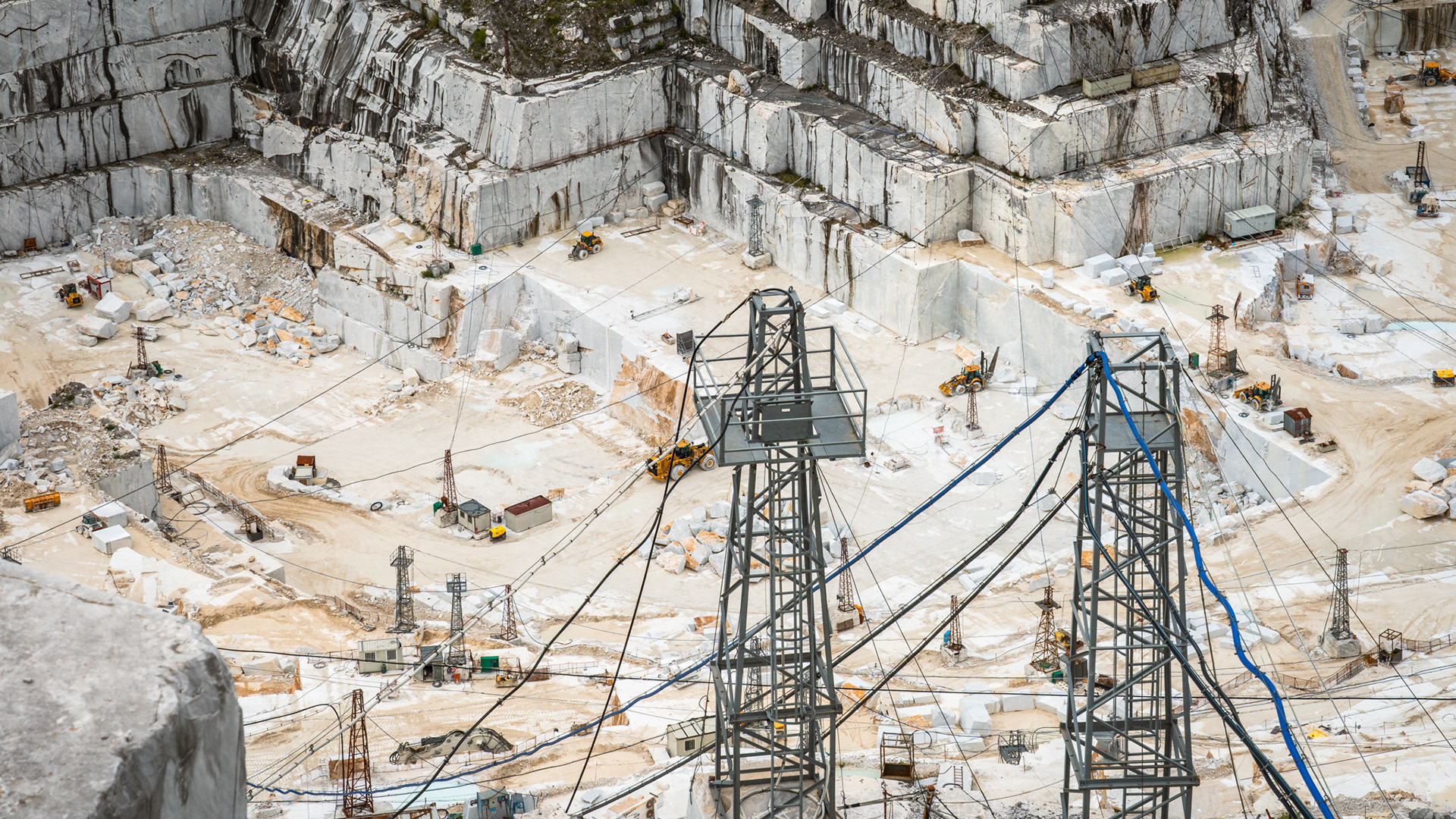
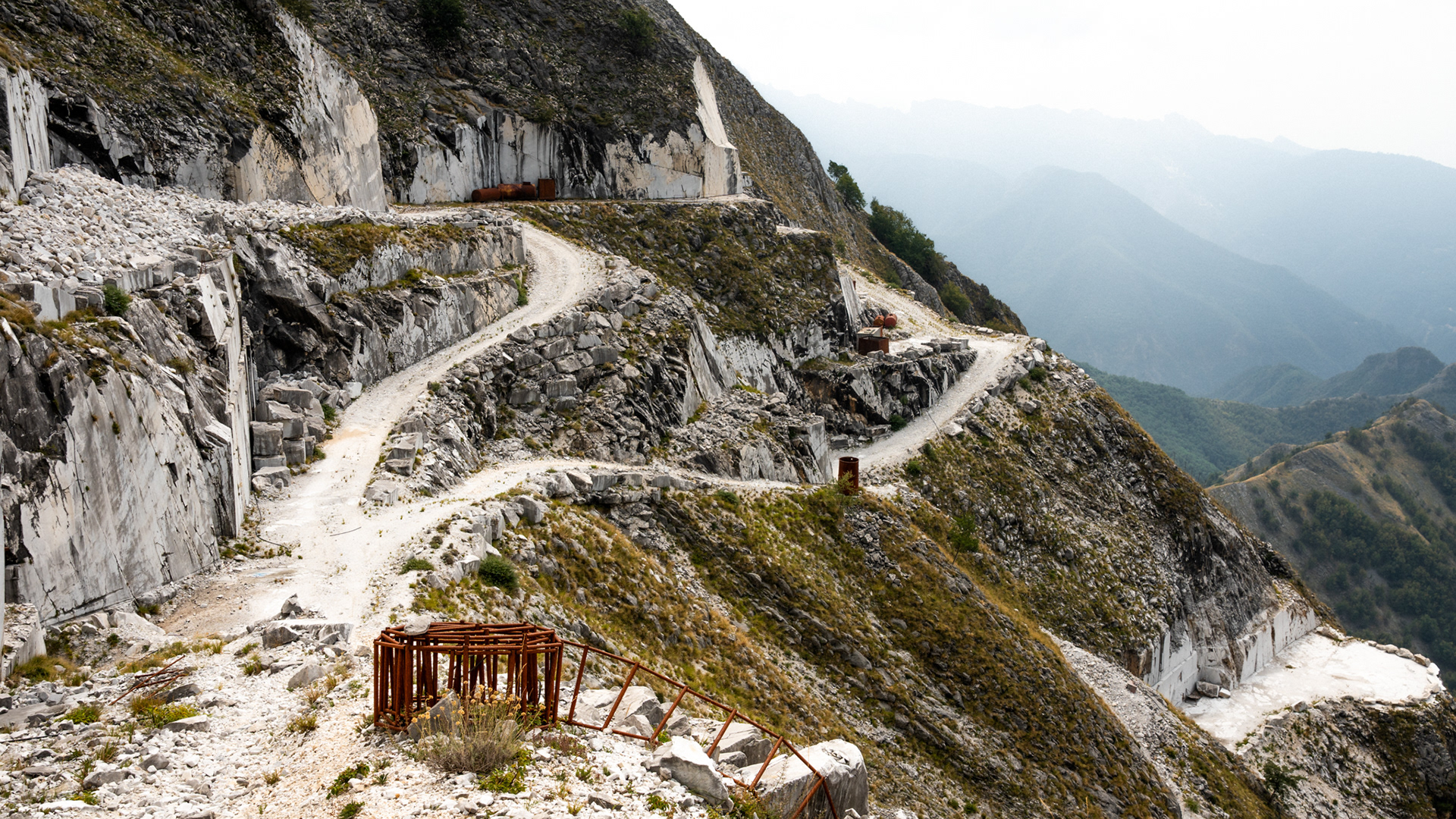
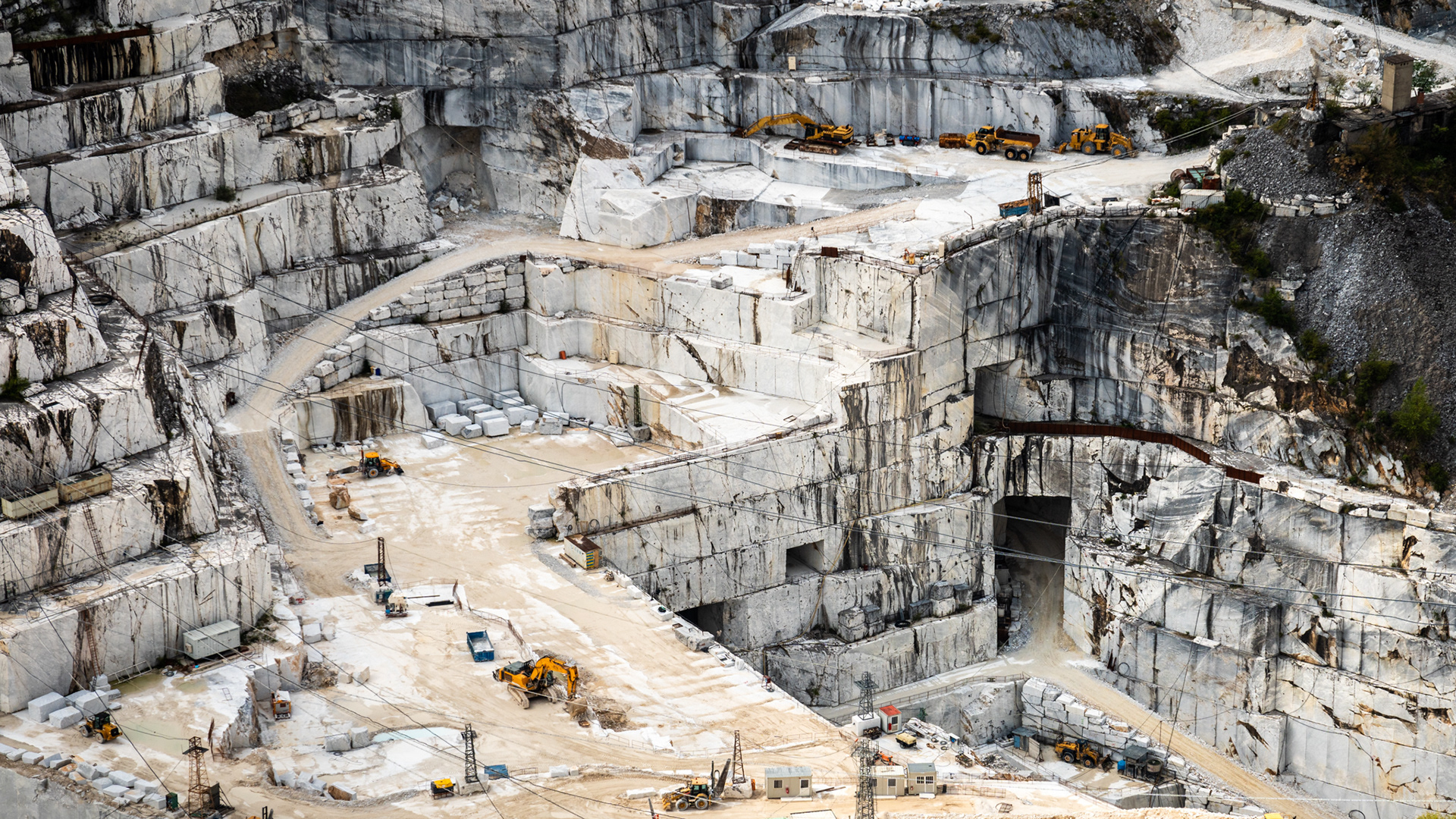
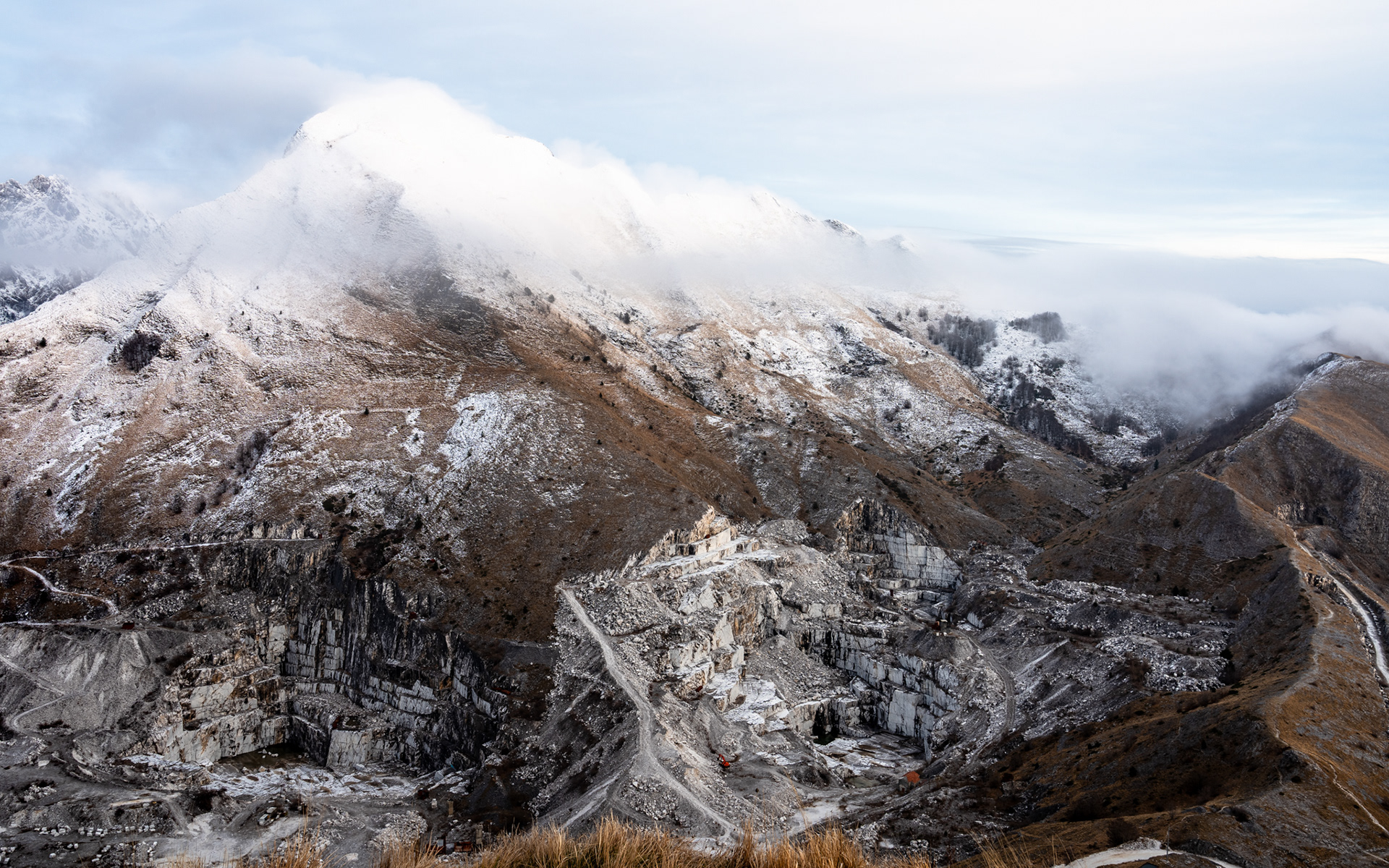
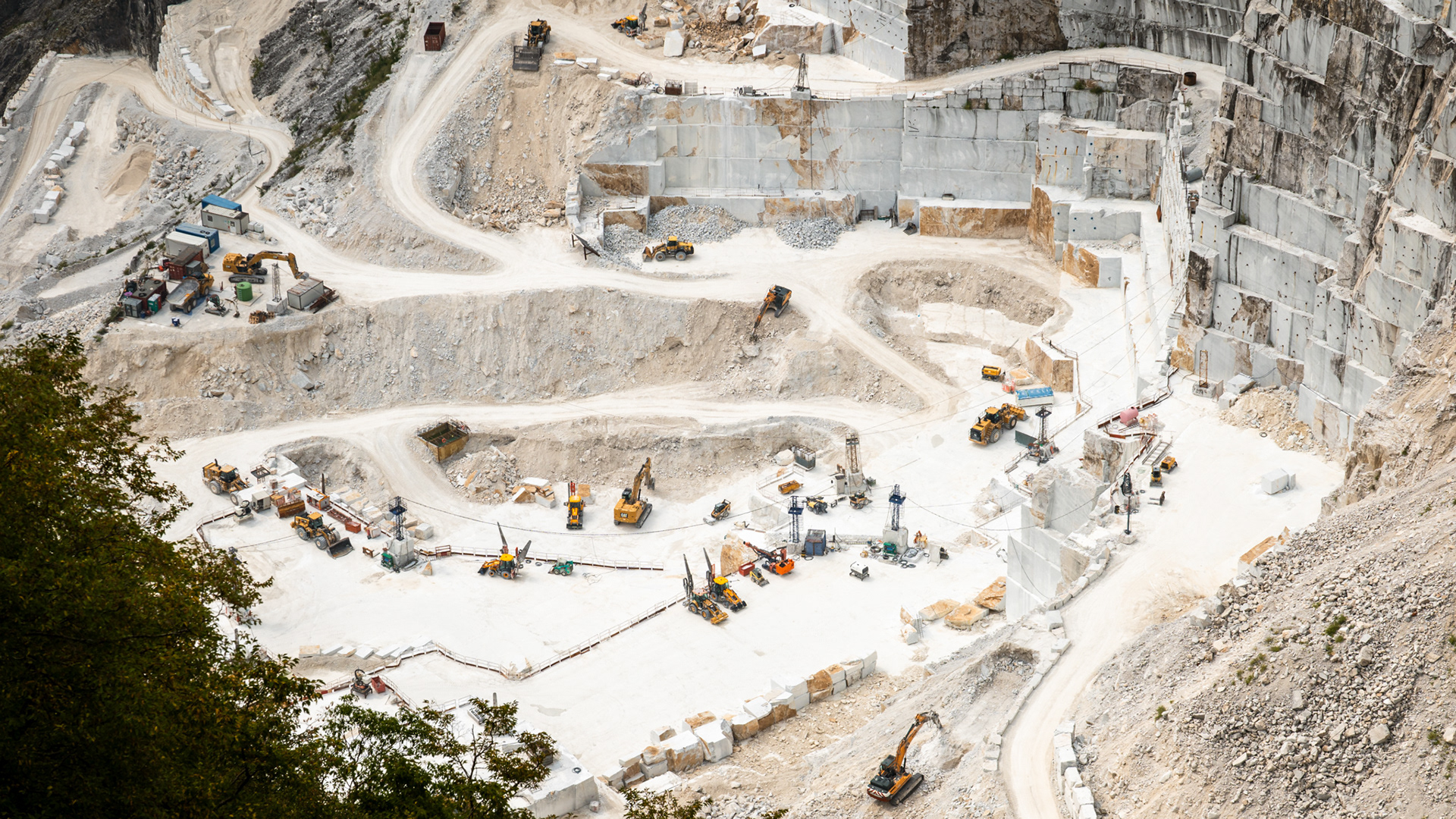
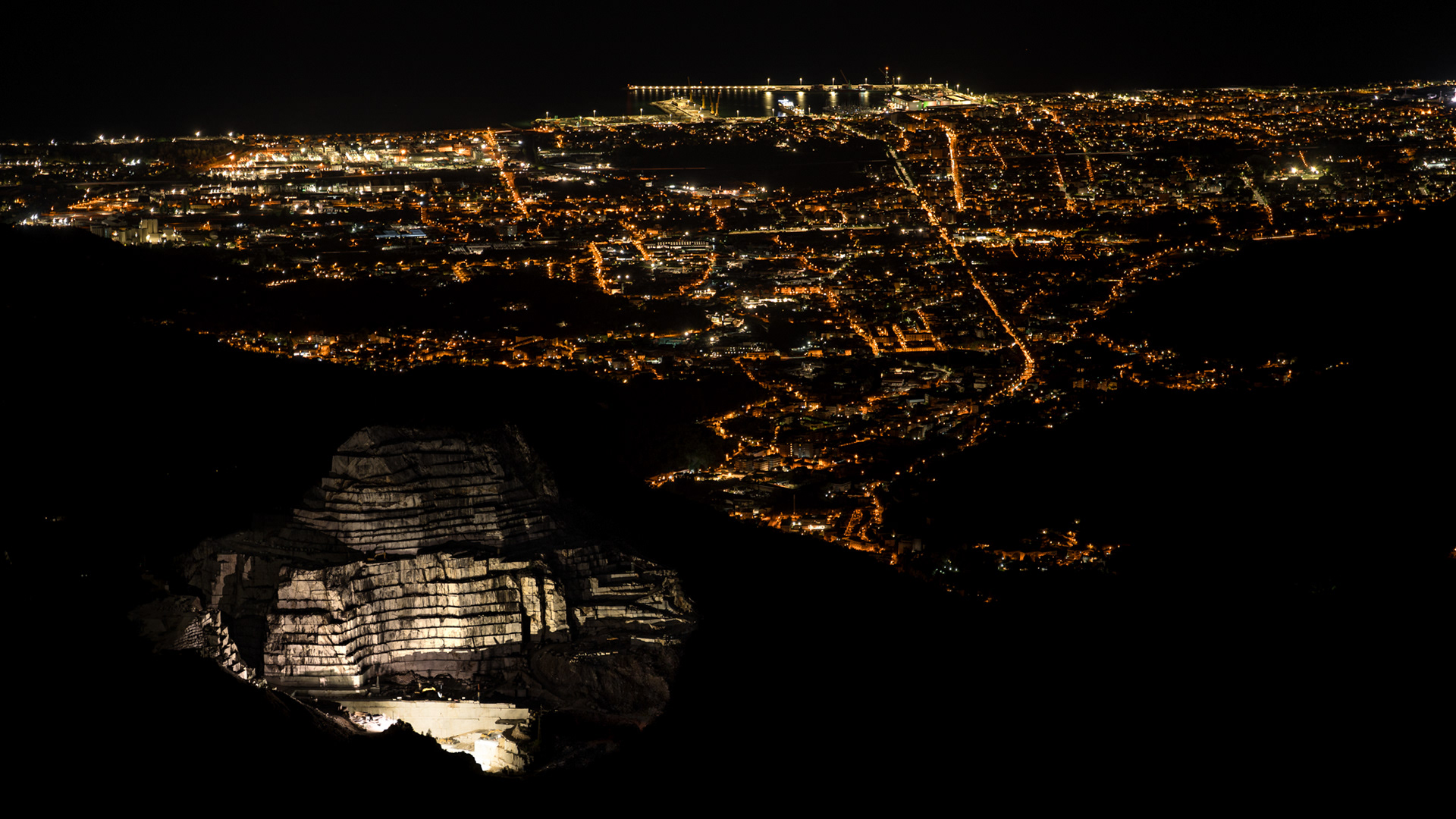
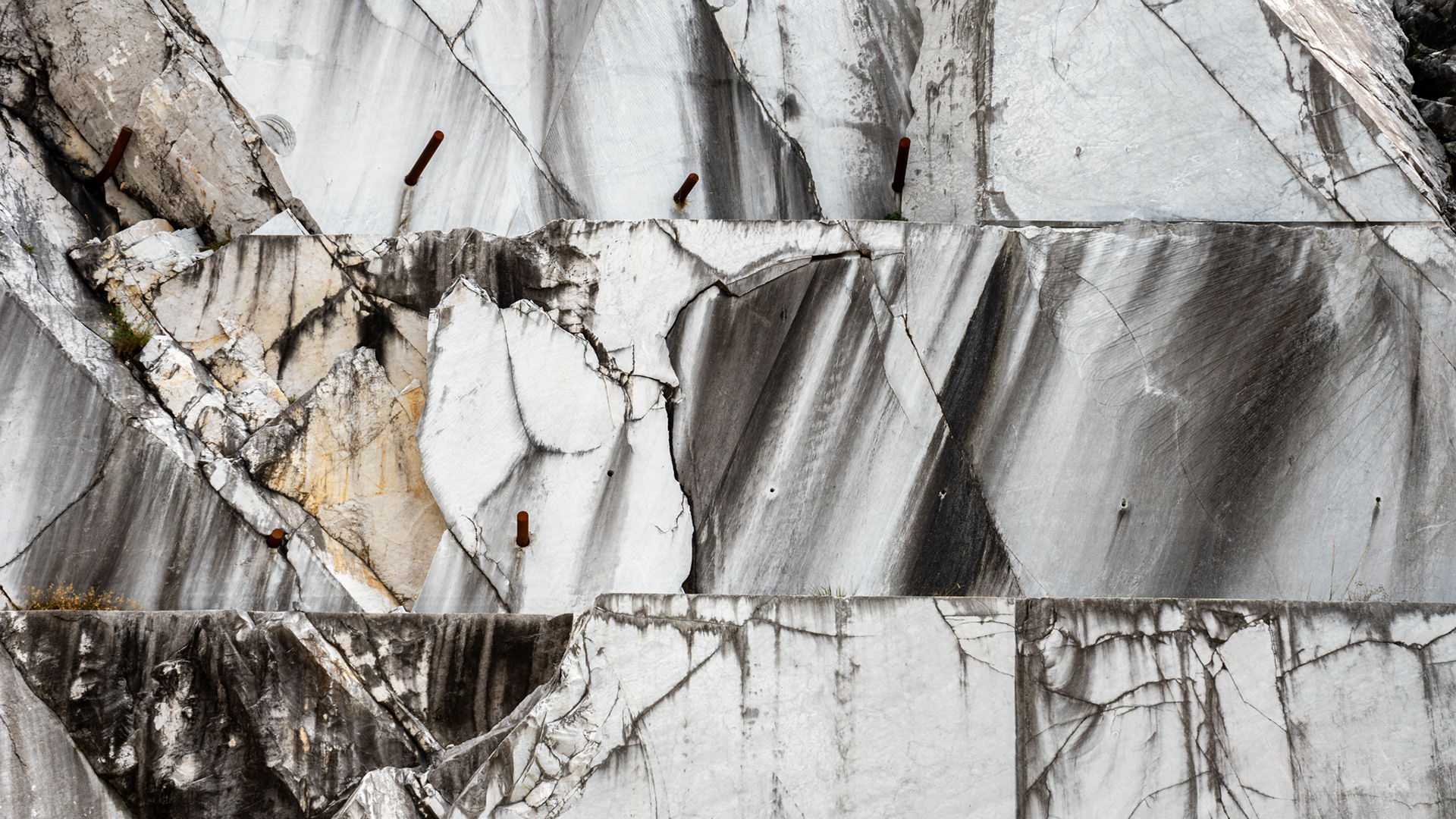
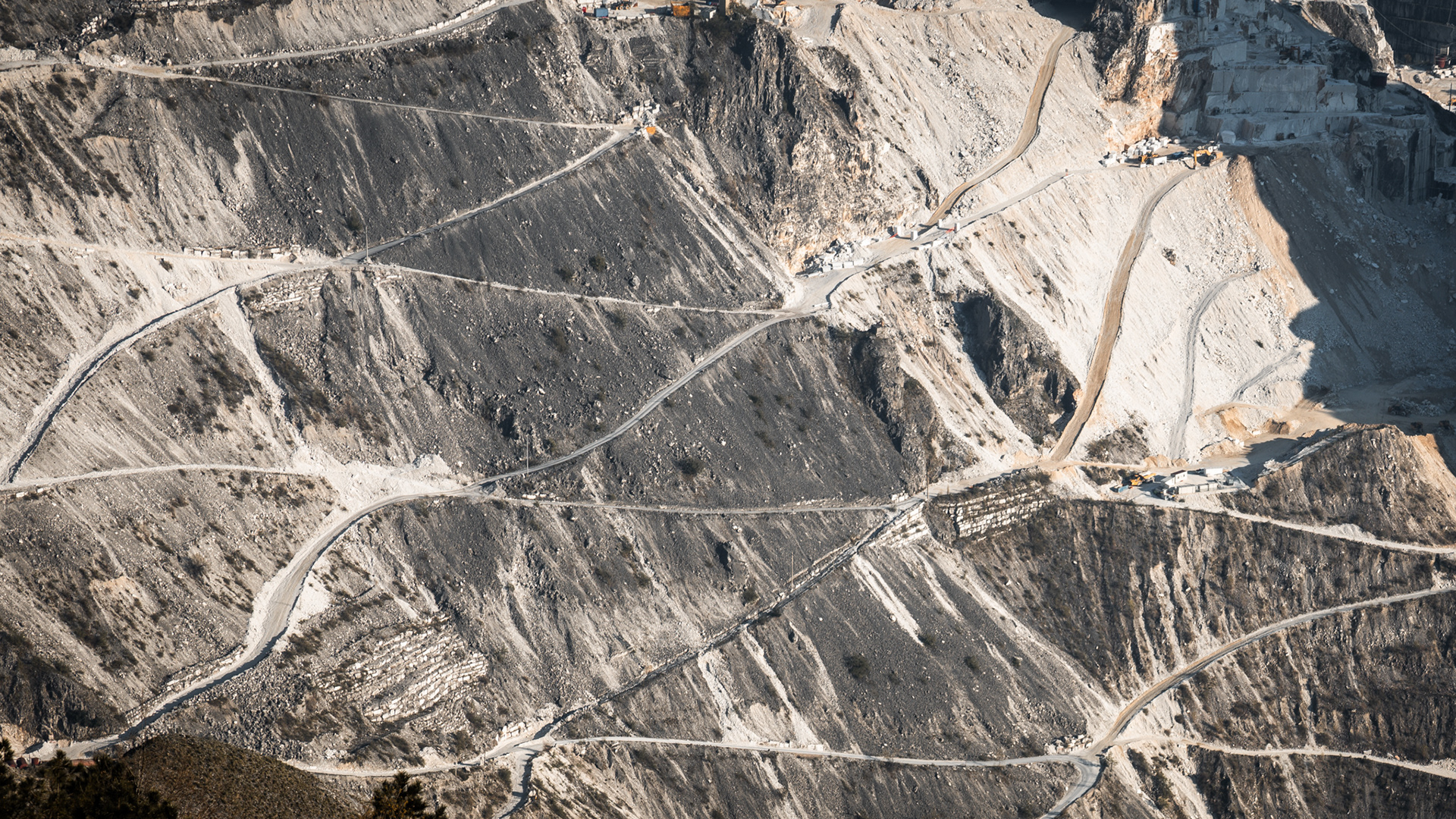
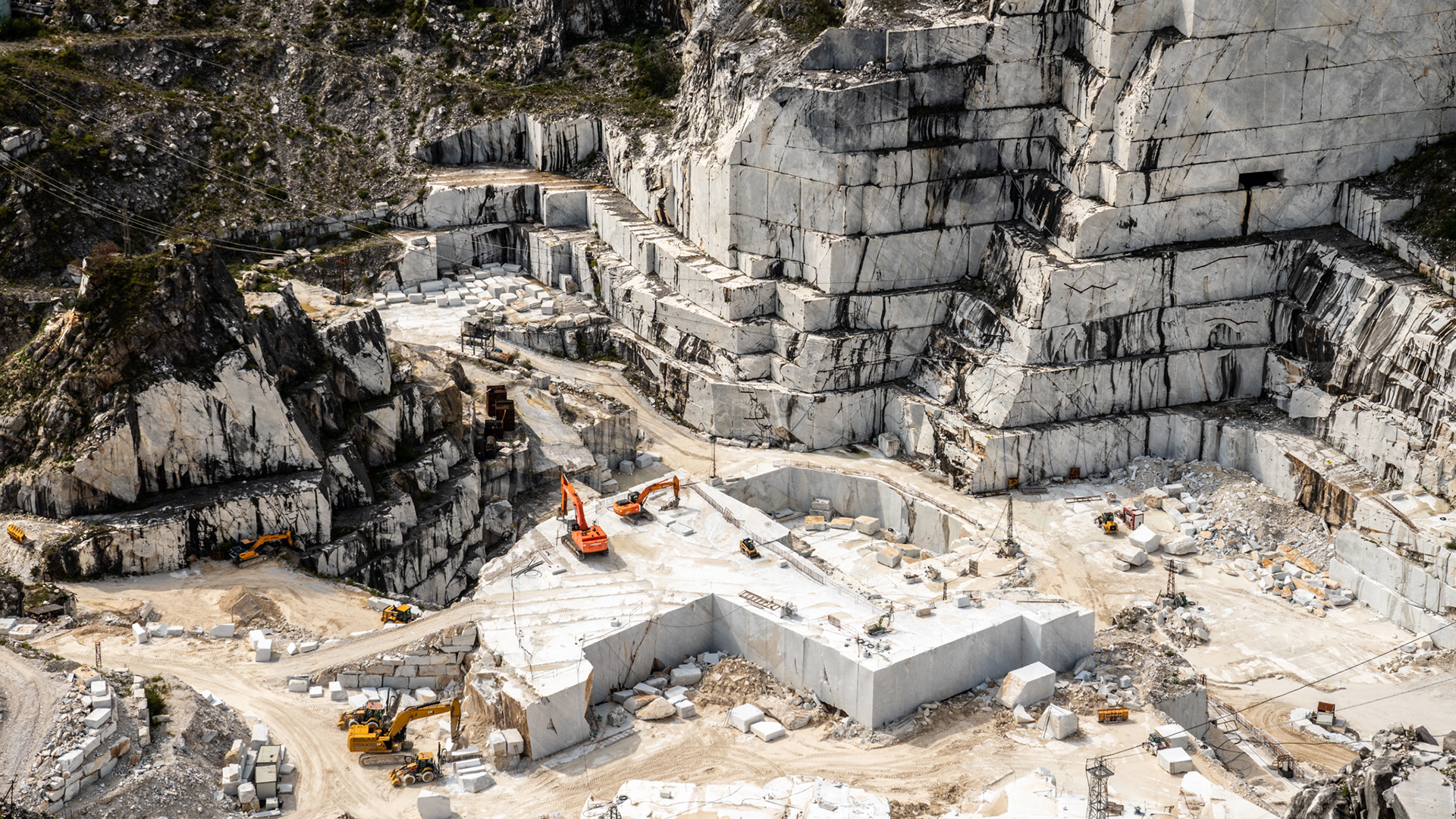
Carrara (Italy), is one of the world’s most renowned centers for the extraction, processing, and export of marble. This material has been quarried since Roman times, shaping both the history of art and the everyday life of people across centuries. From Michelangelo’s sculptures to today’s kitchen countertops, Carrara marble carries a special sense of beauty and value. However, behind its beauty lies a complex story. Today, marble extraction has become a subject of social and cultural debate. On one hand, quarrying is deeply tied to the local identity, passed down through generations of workers who have carved these mountains for centuries. On the other hand, the scale and speed of modern extraction, powered by heavy machinery and industrial processes, have turned it into an environmental concern. The Apuan Alps, a unique mountain range home to rare ecosystems and endemic species, are increasingly transformed in the pursuit of profit. I was born and raised in this landscape, and these mountains have always been a silent presence in my everyday life. As a child and later as a photographer, I found myself increasingly concerned and unsettled by their impact. What struck me most is the tourism it generates, with people coming to take guided tours of the quarries. This series was born from my need to explore this paradox to confront the tension between fascination and discomfort, and understand more about it. Can there be art in destruction?